
 English



Views: 0 Author: Site Editor Publish Time: 2025-06-20 Origin: Site


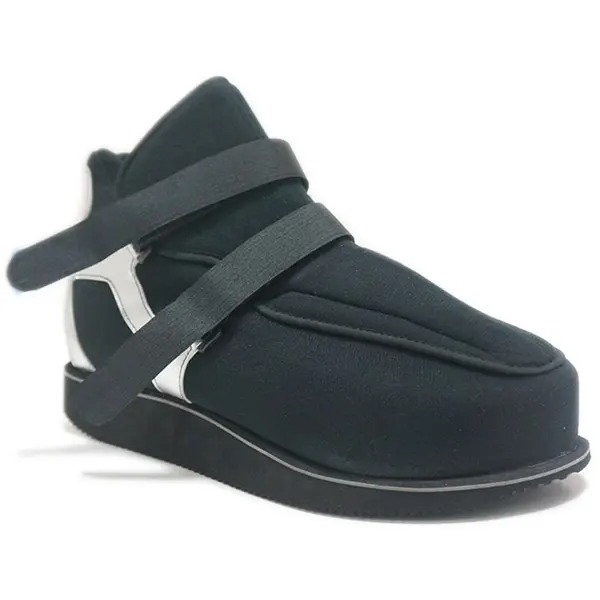
For the millions of people living with diabetes worldwide, proper foot care is not just important - it's absolutely essential. Diabetes can lead to severe foot complications that may result in hospitalization or even amputation if not properly managed. One of the most critical aspects of diabetic foot care is wearing appropriate footwear. Diabetic shoes are specially designed to address the unique needs of people with diabetes, providing protection, comfort, and support that regular shoes simply cannot match.
The connection between diabetes and foot problems is well-documented in medical research. Studies show that up to 25% of people with diabetes will develop a foot ulcer at some point in their lives, and these ulcers are the leading cause of diabetes-related amputations. This makes selecting the right diabetic shoes not just a matter of comfort, but a crucial component of overall diabetes management and prevention of serious complications.
This comprehensive guide will explore why diabetic shoes are so important, how diabetes affects foot health, what features to look for in quality diabetic footwear, and how to choose the best pair for your individual needs. We'll also examine some of the top recommended diabetic shoe brands and answer common questions about diabetic foot care.
Diabetes can cause two major complications that significantly impact foot health: neuropathy (nerve damage) and poor circulation (peripheral arterial disease). These conditions work together to create a perfect storm of potential foot problems that make wearing proper diabetic shoes absolutely essential.
Diabetic neuropathy is one of the most common and dangerous complications of diabetes, affecting up to 50% of people with long-standing diabetes. This nerve damage occurs when prolonged high blood sugar levels injure the delicate nerve fibers throughout the body, particularly in the extremities like the feet.
The effects of neuropathy on foot health are profound:
Loss of protective sensation means you might not feel blisters forming, pebbles in your shoes, or even more serious injuries like cuts or burns. What might be a minor irritation for someone without diabetes could develop into a major wound without you even noticing.
Altered pain perception can lead to either ignoring serious problems or overreacting to minor irritations, making it difficult to properly care for your feet.
Motor neuropathy changes foot biomechanics, often leading to deformities like hammertoes or collapsed arches that create new pressure points where ulcers can form.
Autonomic neuropathy reduces sweating, leading to excessively dry skin that cracks and becomes prone to infection.
The insidious nature of neuropathy means many people with diabetes only realize they have a foot problem when they notice blood on their socks or detect an unpleasant odor from an already-infected wound. This is why preventive measures like wearing proper diabetic shoes are so crucial.
The vascular complications of diabetes are equally concerning. High blood sugar damages blood vessels in two key ways: it makes them narrower (through atherosclerosis) and less flexible. The resulting poor circulation creates a cascade of problems for foot health:
Reduced oxygen and nutrient delivery to tissues slows wound healing dramatically. A minor cut that might heal in days for someone without diabetes could take weeks or months for a person with diabetes.
Decreased infection-fighting capacity allows minor infections to become severe rapidly. The combination of poor circulation and neuropathy is particularly dangerous, as you may not feel an infection developing until it's advanced.
Increased risk of gangrene occurs when tissues literally starve from lack of blood flow, sometimes necessitating amputation.
These physiological changes explain why a seemingly minor foot issue can quickly escalate into a limb-threatening emergency for people with diabetes. The right diabetic shoes serve as essential protective armor against these risks.
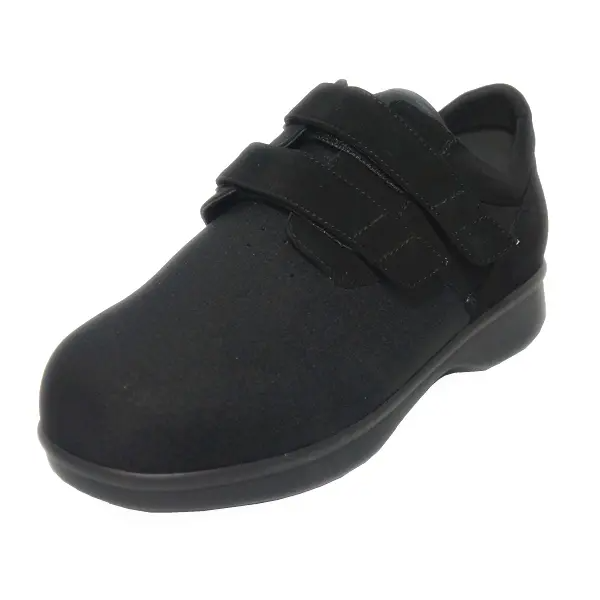
Understanding why standard shoes fail people with diabetes helps clarify what proper diabetic footwear must accomplish. Regular shoes often create pressure points, lack sufficient cushioning, and fail to accommodate common diabetic foot changes like swelling or deformities. Quality diabetic shoes address these shortcomings through several key design elements that work together to protect vulnerable feet.
Diabetic shoes prioritize all-day comfort through generous cushioning that reduces impact forces with each step. Memory foam or gel inserts help distribute weight evenly, while breathable materials prevent excessive sweating that could lead to skin breakdown. The goal is to create a "walking on clouds" sensation that prevents any hot spots or irritation that could develop into more serious problems.
These shoes incorporate multiple protective features:
Reinforced toe boxes shield against accidental impacts
Thick soles prevent puncture wounds from sharp objects
Seamless interiors eliminate rubbing points that could cause blisters
Antimicrobial treatments discourage bacterial and fungal growth inside the shoe
Advanced pressure-mapping technology informs the design of diabetic shoes to ensure no single area bears excessive weight. Special insoles with variable density foam or air pockets redirect pressure away from vulnerable areas like the ball of the foot or heels where ulcers commonly form. This intelligent pressure distribution is one of the key features that sets diabetic shoes apart from regular footwear.
Diabetic shoes promote better blood flow through several mechanisms:
Wider toe boxes prevent constriction of blood vessels
Adjustable closures accommodate swelling without cutting off circulation
Lightweight materials reduce the energy needed for walking
Rocker soles facilitate a more natural gait that enhances venous return
Selecting the right diabetic shoes requires careful consideration of several important factors. Here's a detailed guide to help you make the best choice for your foot health needs.
Diabetic feet often change size and shape due to swelling or structural changes. It's essential to:
Have both feet measured by a professional
Measure at the end of the day when swelling is maximal
Consider going up a half or full size from your pre-diabetes measurements
Have your feet measured every time you buy new shoes
A proper fit is crucial for diabetic shoes:
There should be about a thumb's width between your longest toe and the end of the shoe
The shoe should be wide enough that you can wiggle all toes freely
The heel should fit snugly without slipping
There should be no tight spots or pressure points anywhere
The best diabetic shoes will include:
Extra depth design (minimum 5/8" interior depth) to accommodate orthotics or swelling
Seamless, padded interiors to prevent irritation and blisters
Rocker soles to reduce forefoot pressure
Adjustable closures (Velcro preferred) for easy adjustment
Breathable materials like leather or advanced mesh fabrics
Different activities and foot conditions may require specialized diabetic shoes:
For those with foot deformities, extra-depth or custom shoes may be necessary
People with severe neuropathy may need shoes with additional protective features
Those with circulation problems should look for lightweight, flexible designs
Active individuals may benefit from diabetic athletic shoes
A podiatrist or certified pedorthist can:
Assess your individual risk factors
Recommend specific shoe features you need
Prescribe custom shoes or orthotics if necessary
Help with proper fitting and adjustmen
Q: What shoes do doctors recommend for diabetics?
A: Doctors recommend diabetic shoes with extra depth, seamless interiors, and good arch support from brands like Orthofeet or Best-Step.
Q: What should diabetics avoid doing to their feet?
A: Diabetics should avoid walking barefoot, wearing tight shoes, and ignoring foot injuries or changes.
Q: How do diabetic shoes differ from regular shoes?
A: Diabetic shoes have more cushioning, wider toe boxes, seamless interiors, and better pressure distribution than regular shoes.
Q: What should diabetics wear daily?
A: Diabetics should wear moisture-wicking socks with properly fitted diabetic shoes every day.
Q: Are diabetic shoes covered by insurance?
A: Many insurance plans cover diabetic shoes with a doctor's prescription showing medical necessity.
Choosing the right diabetic shoes is one of the most important decisions you can make for your foot health. The proper footwear can prevent blisters, reduce pressure points, improve circulation, and ultimately help avoid serious complications like ulcers and amputations. While diabetic shoes may cost more than regular footwear, they represent a wise investment in your long-term health and mobility.
Remember that diabetic shoes are medical devices, not just fashion items. Take the time to get properly fitted, consult with foot care specialists, and select shoes that meet all your individual needs. Combine your diabetic shoes with daily foot inspections and regular podiatrist visits for comprehensive foot care.
Your feet carry you through life - with the right diabetic shoes, you can keep them healthy and active for years to come. Better-Step has emerged as a leader in therapeutic footwear by combining medical expertise with innovative design. Don't compromise when it comes to your foot health; invest in quality diabetic shoes today for a more comfortable, confident tomorrow.