
 English



Views: 0 Author: Site Editor Publish Time: 2026-02-16 Origin: Site


Do you struggle with foot pain or discomfort? You might be one of the many people who would benefit from orthopedic shoes. These specially designed shoes provide support, stability, and comfort for those dealing with foot, ankle, or lower leg issues.
In this article, we’ll explore what orthopedic shoes are and how they differ from regular footwear. You’ll learn about their key benefits, including pain relief and injury recovery, and how they can improve your foot health and overall mobility.
Orthopedic shoes differ significantly from typical footwear. Regular shoes are designed for general use, with an emphasis on style and basic comfort. On the other hand, orthopedic shoes are crafted with precise attention to foot anatomy and specific medical conditions. They aim to enhance the function of the foot while relieving pain.
Orthopedic shoes are designed with several key features that make them stand out from regular shoes. These features are carefully crafted to provide support, comfort, and relief for those suffering from various foot conditions. Below are the essential features that orthopedic shoes offer:
Feature | Description |
Arch Support | Supports the natural arch of the foot, reducing pressure on ligaments and muscles. |
Cushioning | Extra padding in the soles absorbs shock and minimizes impact on joints. |
Wide Toe Box | A roomier toe area allows for greater comfort and helps accommodate foot deformities like bunions. |
Orthopedic shoes are essential for individuals with various foot-related medical conditions. These shoes are designed to not only alleviate pain but also correct alignment issues and enhance the overall function of the foot. They are commonly recommended during recovery from foot surgery or injury, as they provide the necessary support to facilitate healing.
Key Medical and Therapeutic Uses:
● Pain Relief: Orthopedic shoes help relieve discomfort caused by conditions like plantar fasciitis, arthritis, and bunions, offering targeted support and cushioning.
● Correcting Alignment: They correct alignment issues, which helps prevent further complications related to foot posture and gait.
● Post-Surgery Support: These shoes are often used to support the healing process after foot surgery, ensuring that the foot remains properly aligned during recovery.
● Enhanced Foot Function: Orthopedic shoes improve the overall function of the foot by stabilizing and supporting the foot’s natural movements.
● Long-Term Foot Health: By addressing specific foot conditions, orthopedic shoes contribute to long-term foot health and mobility, reducing the likelihood of future injuries or pain.
Jianxing Shoes, known for its medical and biomechanical expertise, focuses on creating orthopedic shoes that provide both comfort and therapeutic support. The company’s designs aim to address specific foot issues, ensuring that wearers receive both relief and long-term health benefits.
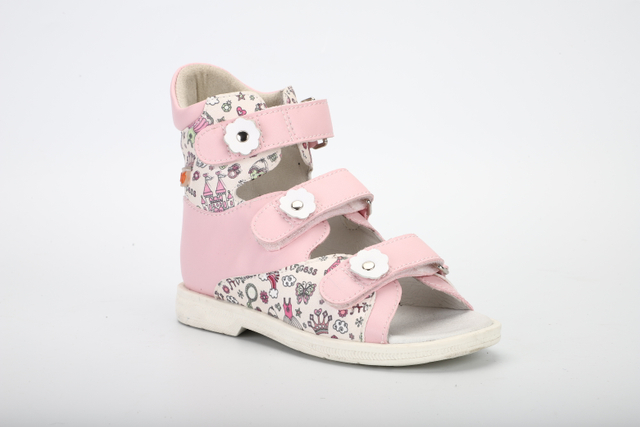
Foot pain can severely hinder daily activities and make walking or standing uncomfortable. Conditions like plantar fasciitis, arthritis, and flat feet can lead to ongoing discomfort, often resulting in a reduced quality of life. Orthopedic shoes are specifically designed to provide the necessary support to alleviate pain in these areas. By offering proper cushioning and structure, they help reduce stress on the feet and prevent further complications, allowing individuals to perform daily tasks more comfortably.
Orthopedic shoes are not just preventive; they are also therapeutic. After an injury, these shoes help the foot heal by providing the necessary support and maintaining proper foot alignment. This promotes a faster recovery and prevents further damage to the injured area. Jianxing Shoes, for example, offers footwear that is customized to meet specific patient needs. These shoes are designed to help those recovering from foot surgery or chronic foot conditions, ensuring that they can return to their daily activities more quickly and with less discomfort.
Plantar fasciitis causes sharp heel pain, especially in the morning or after long periods of rest. This condition occurs when the ligament that runs along the bottom of the foot becomes inflamed. Orthopedic shoes with targeted arch support and cushioning help alleviate pressure on the plantar fascia, reducing pain and promoting healing. The added cushioning absorbs shock and provides support to the heel, making it easier to walk or stand for longer periods without discomfort. With consistent use, these shoes can help prevent the condition from worsening and encourage recovery.
People with arthritis often experience discomfort not only in their feet but also in their knees, hips, and back. The imbalance created by poor foot alignment can cause strain on other joints, making mobility difficult. Orthopedic shoes help distribute weight evenly across the feet, easing the strain on these joints. With proper cushioning, arch support, and stability, these shoes reduce discomfort caused by standing or walking for long periods. By supporting proper posture and alignment, orthopedic shoes also prevent further joint issues, ensuring better overall mobility and comfort.
Benefit | Condition Treated | Key Feature |
Pain Relief | Plantar Fasciitis | Arch support and cushioning |
Joint Support | Arthritis, Joint Pain | Even weight distribution and stability |
Improved Comfort | General Foot Discomfort | Shock absorption and enhanced cushioning |
Orthopedic shoes are commonly used to treat a variety of foot conditions, each of which requires specialized footwear to provide relief and support. Whether dealing with pain, swelling, or deformities, these shoes help manage symptoms and improve foot health.
Plantar fasciitis occurs when the ligament at the bottom of the foot becomes inflamed. Orthopedic shoes with proper arch support help distribute pressure evenly and reduce strain on the affected area, providing much-needed relief.
Bunions cause swelling and discomfort at the base of the big toe. Orthopedic shoes, with their wider toe box, help alleviate pressure on the bunion, reducing pain and preventing the condition from worsening.
For individuals with flat feet, orthopedic shoes provide the necessary arch support to maintain proper alignment. This reduces strain on the feet and helps prevent pain in the lower back, hips, and knees. Orthopedic shoes distribute weight evenly, promoting better posture and reducing discomfort.
Condition | Orthopedic Shoe Benefit | Key Features |
Plantar Fasciitis | Reduces pain and pressure on the plantar fascia | Arch support, cushioning |
Bunions | Alleviates pressure on the big toe | Wide toe box, cushioning |
Flat Feet | Provides proper arch support | Arch support, even weight distribution |
Orthopedic shoes stand apart from regular footwear due to their specialized design, which addresses specific foot health needs. While regular shoes provide general comfort, orthopedic shoes are meticulously crafted with features that cater to medical requirements and therapeutic support.
One of the most crucial aspects of orthopedic shoes is the arch support. This feature helps to distribute weight evenly across the foot, reducing strain on the ligaments and muscles. The cushioning in these shoes absorbs shock, protecting the joints from impact while walking. This combination of support and cushioning enhances comfort, making it easier to walk for longer periods without discomfort or pain.
A wide toe box in orthopedic shoes prevents pressure on foot deformities such as bunions or hammertoes. This extra space ensures the toes can move freely, reducing pain and discomfort. Additionally, orthopedic shoes are often adjustable, offering flexibility for individuals whose foot size or shape changes due to swelling or medical conditions. This adjustability makes it easier to achieve a custom fit for better comfort.
Many orthopedic shoes are made with breathable materials to keep the feet cool and dry. This feature is particularly important for people with diabetes or other conditions that affect foot health, as it helps prevent skin irritation and infection. Breathable shoes also help to regulate temperature and moisture, promoting better foot hygiene and comfort throughout the day.
Orthopedic shoes come in various styles, each designed to meet different needs. Whether for casual wear, sports, or post-surgery recovery, these shoes offer the right support for every situation.
These shoes are designed for formal settings, combining orthopedic support with a stylish appearance. They allow individuals to attend events or work in an office without compromising on comfort or foot health.
Athletic orthopedic shoes are designed for individuals who need support during physical activities like walking, running, or playing sports. These shoes provide cushioning and stability to reduce the risk of injury during exercise.
Diabetic shoes are specially designed to prevent ulcers and blisters by offering a soft, padded fit. Post-surgical orthopedic shoes help protect the foot during recovery, offering stability while promoting healing.
Type of Orthopedic Shoe | Purpose | Key Feature |
Dress Orthopedic Shoes | Formal occasions, office wear | Stylish design with orthopedic support |
Athletic Orthopedic Shoes | Physical activities, exercise | Cushioning and stability for injury prevention |
Diabetic/Post-Surgical Shoes | Prevent ulcers, post-surgery recovery | Soft fit, stability, and protection during healing |
While both orthopedic and traditional shoes serve the purpose of protecting and supporting the feet, orthopedic shoes are designed with a specific medical goal in mind: to address foot problems and offer relief. The key differences include:
Orthopedic shoes often come with adjustable features and removable insoles, allowing for a personalized fit. This customization ensures that the shoe can accommodate specific foot conditions, something that regular shoes cannot provide.
Orthopedic shoes are built to offer enhanced arch support, better cushioning, and more stability. This makes them far more effective at reducing pain and improving mobility, especially for individuals with chronic conditions.
Orthopedic shoes are generally priced higher than traditional footwear due to the advanced features and medical benefits they provide. However, for individuals with specific foot health needs, the investment in orthopedic shoes is often well worth it in terms of comfort, mobility, and overall foot health.
Feature | Orthopedic Shoes | Traditional Shoes |
Customization | Adjustable features, removable insoles | Fixed fit, standard sizing |
Support & Cushioning | Enhanced arch support, better cushioning | Basic support, limited cushioning |
Price | Generally higher due to medical features | Typically more affordable |
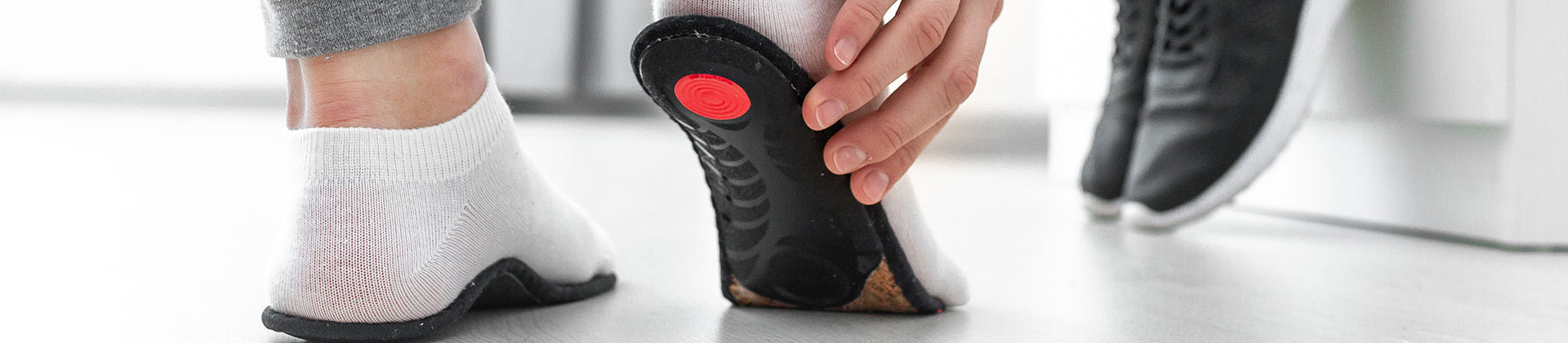
Orthopedic shoes are crucial for individuals experiencing foot pain or specific medical conditions. With features like arch support, cushioning, and a wide toe box, they provide relief and enhance mobility. These shoes are a long-term investment in foot health. For ongoing foot issues, consulting a specialist is vital. Jianxing Shoes (Foshan City) Co., Ltd. offers high-quality orthopedic footwear designed to ensure comfort, support, and recovery for its customers.
A: Orthopedic shoes are specially designed footwear that provides support, stability, and comfort for individuals with foot, ankle, or lower leg issues. They are designed to alleviate pain and address specific medical conditions, such as plantar fasciitis, arthritis, and bunions.
A: Orthopedic shoes help by providing targeted support to the arches, cushioning to reduce shock, and a wide toe box to relieve pressure. These features help alleviate pain caused by conditions like plantar fasciitis or arthritis and improve overall foot function.
A: Orthopedic shoes are essential for those suffering from chronic foot pain, recovering from an injury, or dealing with foot deformities. They provide long-term relief, improve mobility, and support proper alignment, helping to prevent further foot problems.
A: Yes, orthopedic shoes are designed for daily wear. They offer comfort and support throughout the day, making them ideal for both casual wear and activities that require prolonged standing or walking.
A: Orthopedic shoes tend to be priced higher than regular shoes due to their specialized design and medical benefits. However, they provide significant value by improving foot health and reducing long-term discomfort or injury.
A: It's essential to consult a healthcare provider to determine the specific foot issues you need to address. Choosing the right pair of orthopedic shoes involves considering factors like arch support, cushioning, and fit to ensure maximum comfort and support.