
 English



Views: 0 Author: Site Editor Publish Time: 2026-02-13 Origin: Site


Buying orthopedic shoes shouldn’t feel like guesswork, but many pairs seem perfect in the store and still disappoint after a full day of real walking. True comfort comes from support and stability, not just soft padding, because pressure control and alignment matter more over time. In this guide, you’ll learn what to look for in orthopedic shoes, including arch support, heel stability, toe space, and orthotics-ready features. You’ll also see quick checks you can use to compare pairs fast, so you can choose a shoe that stays comfortable all day.
Before you dive into details, it helps to know what you should check first, because the fastest way to waste money is to spend time on color, price, or marketing promises while ignoring the few structural features that truly control comfort and stability over hours of wear.
Feature to check in orthopedic shoes | What it helps you feel | A fast test you can do in minutes |
Arch support | Less fatigue and better pressure balance | Stand and walk slowly, then feel for steady midfoot support |
Firm heel counter | More stability and less heel slip | Squeeze the heel area and check if it collapses easily |
Wide and deep toe box | Less toe pressure and more natural movement | Wiggle toes and check both width and height in the front |
Removable insole and extra depth | Better fit with orthotics and inserts | Remove the insole, add your insert, and re-test comfort |
Adjustable closures | Better fit control across foot shapes | Tighten and loosen midfoot, then confirm heel stays stable |
Stable cushioning | Less impact without wobble | Walk, turn, and speed up slightly to check balance |
Traction outsole | Safer steps on daily surfaces | Inspect tread depth and grip texture, then do a short walk |
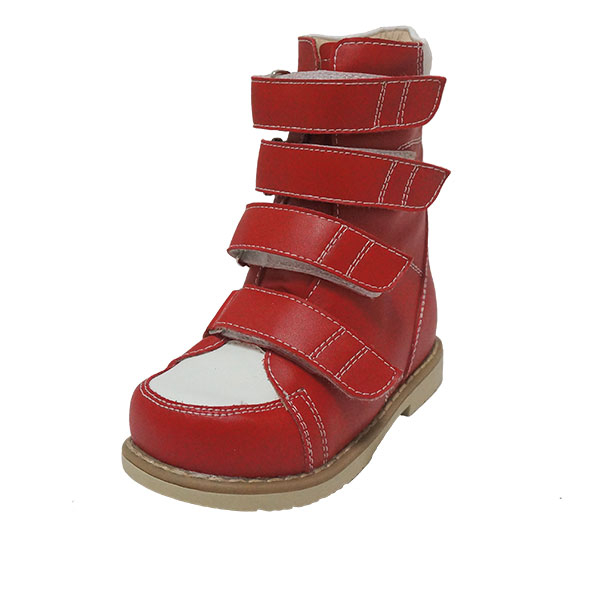
The heel counter is the structured part at the back of the shoe, and it matters because it keeps your heel steady and reduces wobbling during movement. You can test it by squeezing the heel area—if it collapses easily, it may not provide enough stability. When walking, your heel should stay in place without lifting too much, because too much heel slip can cause friction and make the shoe feel loose, especially when you turn or walk faster.
Toe space affects both comfort and balance, since your toes need room to spread naturally when you walk. A good toe box should feel roomy in width and height, so your toes don’t rub the sides or the top of the shoe. Try wiggling your toes while standing and walking, and if the front feels tight now, it will usually feel worse later in the day.
If you use orthotics or plan to add inserts, look for orthopedic shoes with removable insoles and enough depth to fit them comfortably. A simple test is to try the shoe normally, then add your insert and walk again—your toes should still have space and your heel should still feel stable. Some brands also offer customization for better fit in specialty needs, and Jianxing Shoes highlights customized solutions based on individual requirements.
Adjustable closures help orthopedic shoes fit more foot shapes, especially if your feet change slightly during the day. Laces offer precise control, while hook-and-loop straps are quick and easy to adjust. When testing, tighten the shoe and walk, then loosen slightly and walk again—the shoe should stay supportive and stable without feeling too tight or too loose.
Cushioning should reduce shock, but it shouldn’t feel wobbly or unstable. Walk at a normal pace, then turn and take a few quicker steps—if the shoe tilts side to side, the cushioning may be too soft or the base may be too narrow. The best orthopedic shoes feel comfortable on hard surfaces while still keeping your steps steady and controlled.
Start with length, but always check width and instep height too, because they often decide whether a shoe feels comfortable all day. If your forefoot is wide, choose orthopedic shoes with a wider toe box, and if your instep is high, avoid uppers that press down on the top of your foot. For retail and B2B buyers, offering multiple widths and clear fit notes can reduce returns and help more people find the right match faster.
A good fit gives you toe room in front while keeping your heel stable in back, so the shoe feels comfortable without feeling loose. Walk a few steps and stop quickly—your toes should not hit the front, and your heel should not lift too much when you move. If minor heel slip happens, tightening the laces or straps may fix it, but if it still slips after adjustment, the shoe shape may not fit your foot even if the size seems correct.
Fit check | Quick goal |
Width and instep | No top pressure |
Toe room and heel lock | No slip or bump |
Not all orthopedic shoes are made for the same purpose, so the best choice depends on what you want to improve most, such as all-day comfort, more forefoot space, stronger stability, or better orthotics fit. When you match the shoe features to your goal, you get better results and avoid buying a pair that feels nice at first but doesn’t work well in daily use.
Your main goal | The best features to prioritize | What it should feel like when walking |
All-day walking comfort | Balanced arch support, stable cushioning, firm heel counter | Smooth steps and steady support after hours |
Forefoot comfort and space | Wide and deep toe box, extra depth, smooth interior | Easy toe movement and less front pressure |
Stability and control | Firm heel counter, stable platform, traction outsole | Grounded feel with confident turning |
Orthotics compatibility | Removable insole, extra depth, secure closures | Insert fits without tightness or heel lift |
Choose orthopedic shoes with balanced arch support and stable cushioning, because they help reduce fatigue on hard surfaces and keep your steps consistent even when you get tired. A good pair should feel supportive but not bulky, and walking should feel easy rather than overly soft or squishy.
If your toes feel cramped, prioritize a wide and deep toe box plus extra depth, because it reduces front-foot pressure and helps the shoe stay comfortable longer. Smooth interior materials also matter, since rough seams can cause irritation even when the shoe feels fine at first.
For stability, focus on a firm heel counter, a steady platform, and strong outsole grip, because these features help you feel secure during turning, stopping, and long standing. This type of orthopedic shoe usually feels more grounded than bouncy, and it supports better control throughout the day.
Remove the original insole first, because orthopedic shoes need enough space to fit an orthotic without making the shoe feel tight or unstable. After you place your insert inside, walk for a minute and check two things: your heel should stay locked in, and your toes should still have room. If the shoe feels cramped on top or your heel starts slipping, it usually means the shoe is not deep enough or the upper cannot adapt to the insert.
Inserts can support different areas like the heel, arch, or forefoot, so it helps to know what your insert is designed to change before you buy a shoe around it. Firmness matters too, because very soft inserts can feel good at first but may flatten faster, while more supportive inserts often feel steadier for long wear. Most people do best with a balanced firmness that feels supportive but not hard.
If standard sizes and shapes don’t fit well, customization can improve comfort and stability by reducing pressure points and making the shoe match the foot better. Some brands also support customized options for different needs, and Jianxing Shoes highlights customized services that can be useful when a more personalized fit is required.
Orthotics compatibility check | What you want to see | What it prevents |
Removable insole | Easy to remove and re-install | Tightness after adding inserts |
Extra depth interior | Foot sits lower and stable | Heel lift and top pressure |
Secure heel counter | Heel stays aligned with insert | Instability and slipping |
Toe box space after insert | Toes still move freely | Forefoot crowding |
What to check | What you want |
Upper hold | Secure, no squeeze |
Breathability | Cooler, drier feel |
Interior finish | Low friction touch |
Build quality | Consistent structure |
A good upper should hold your midfoot securely without squeezing, so the shoe feels stable even when you walk faster or turn. If you have to tighten the laces too much just to feel secure, the upper shape may not match your instep or foot width. Pay attention to any sharp pressure points during a short try-on, because small hot spots often get worse after long wear.
Breathable uppers help reduce heat and sweat, which keeps orthopedic shoes comfortable during long days, warm weather, or travel. Mesh, perforated materials, and moisture-friendly linings can help, but the upper still needs enough structure so your foot does not slide around inside the shoe.
A smooth interior helps prevent rubbing and irritation, especially around the heel collar and toe area. If possible, feel inside the shoe and check for rough seams or stiff edges, because interior friction is a common reason people stop wearing a shoe even if the support is good.
Orthopedic shoes need stable structure over time, so build quality matters for long-term comfort and durability. Look for clean stitching, strong bonding, and outsole materials that feel durable, and for B2B sourcing, consistency across samples matters more than how one display pair looks. Some suppliers also highlight formal quality systems, and Jianxing Shoes mentions ISO 13485-based quality management, which can support more reliable production consistency.
Traction helps prevent slipping and keeps walking more confident on smooth indoor floors, outdoor sidewalks, and slightly wet surfaces. Look for outsole tread patterns that create friction and grooves that reduce sliding, and choose rubber that feels grippy rather than slick, because both the texture and the material affect real-world grip. For work or long standing routines, good traction also reduces the “careful walking” tension that can make your legs feel tired faster.
A good orthopedic shoe should bend near the forefoot where your foot naturally bends, because this helps the step roll forward smoothly instead of fighting a stiff sole. If it bends in the middle, it can feel unstable, and if it barely bends, it can feel tiring during longer walks. A quick test is to gently bend the shoe by hand, then take a short walk to confirm the stride feels natural and easy.
For everyday use, choose orthopedic shoes that feel supportive but not heavy, because too much bulk can make your legs feel tired even if the cushioning feels soft at first. A stable base, breathable upper, and controlled cushioning usually work best for commuting and city walking, and a versatile design makes it easier to wear them in daily outfits.
If you stand for hours, stability becomes the priority, because small pressure problems build up over time and cause fatigue. Look for strong arch support, a firm heel counter, and good traction for smooth floors, and avoid shoes that feel overly soft since they can become unstable during repeated movement.
Travel needs endurance, so pick orthopedic shoes with durable cushioning, reliable grip, and enough toe space for long hours of walking. A stable platform helps on mixed surfaces, and roomy forefoot design keeps the front of the foot comfortable when your feet feel fuller later in the day.
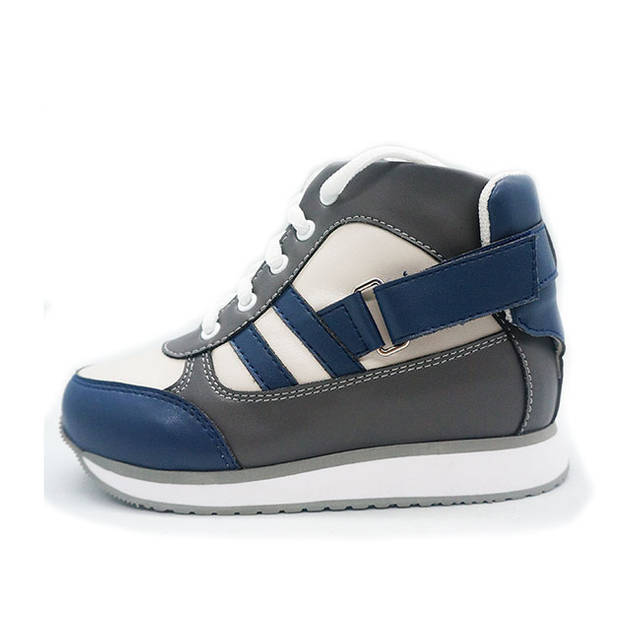
Orthopedic shoes wear down as cushioning flattens, support weakens, and traction fades, so you may notice they feel less comfortable and your feet tire faster than before. If the arch support feels weaker or the outsole looks worn and slippery, it’s likely time to replace them.
To help them last longer, rotate between pairs, keep them dry, clean the outsole grooves, and replace insoles when they flatten, since a fresh insole can restore comfort without changing the whole shoe. For business use, offering replacement insoles is also an easy way to support customers and improve repeat sales.
Choosing orthopedic shoes becomes easier when you follow a structure-first checklist, because stable arch support, a firm heel counter, roomy toe space, insert-friendly depth, adjustable fit, controlled cushioning, and reliable traction are what keep you comfortable for hours. Testing shoes while walking instead of only standing helps you spot pairs that feel steady in real movement, which is where true long-term comfort comes from.
For consistent value in daily wear or sourcing, Jianxing Shoes (Foshan City) Co., Ltd. offers orthopedic shoes designed for stability, comfort, and practical fit needs, helping users stay supported through longer walks and busy routines while reducing fatigue over time.
A: Start with arch support, heel stability, and toe space, because these features keep orthopedic shoes comfortable and steady during long wear.
A: Walk and shift your weight slowly, then check if the arch feels supportive but not sharp, since orthopedic shoes should guide your midfoot naturally.
A: A firm heel counter keeps your heel from slipping, so orthopedic shoes feel more stable and reduce wasted movement when you walk.
A: Yes, a roomy toe box helps toes spread naturally, and orthopedic shoes with better toe space often feel less tiring after hours.
A: Remove the insole, add your insert, and walk again to confirm your heel stays locked and toes still have room in orthopedic shoes.
A: They should feel cushioned but controlled, because orthopedic shoes that are too soft may feel wobbly during turning or faster walking.