
 English



Views: 0 Author: Site Editor Publish Time: 2026-02-10 Origin: Site


Orthopedic shoes are designed to provide comfort and support for people with foot pain or conditions. They were once considered unfashionable and only for the elderly, but today, they offer stylish designs for all ages. Are orthopedic shoes worth the investment? Do they go beyond just being a trend?
In this article, we'll explore how orthopedic shoes can help relieve foot pain, improve alignment, and prevent future foot problems. You’ll learn what makes them different and why they might be the right choice for you.
Orthopedic shoes are designed not only for comfort but also for long-term foot health. They include specialized features that address various foot issues while enhancing overall comfort. Let's explore the key characteristics that set orthopedic shoes apart from regular footwear.
Feature | Description |
Support for Arches and Heels | These shoes provide extra support to the arches and heels, crucial for conditions like flat feet and plantar fasciitis. |
Shock Absorption for Comfort | Enhanced cushioning absorbs shock from walking or standing for long periods, making them ideal for individuals with foot pain. |
Wide Toe Boxes and Customizability | Many orthopedic shoes have wider toe boxes to ensure enough space for toes to move comfortably. Some options come with removable insoles or custom orthotics for a personalized fit. |
Breathable Materials for Everyday Use | Modern orthopedic shoes are crafted from breathable materials that help keep your feet cool and dry, even during long hours of use. |
Orthopedic shoes are more than just comfortable footwear. They help address various foot health issues, including:
● Realignment of Foot Positioning: These shoes promote correct posture by aligning the feet, which helps reduce stress on joints and muscles.
● Prevention of Common Foot Conditions: They can prevent or help treat conditions like bunions, arthritis, and hammertoes by improving foot alignment and reducing pressure on specific areas.
● Benefits for People with Flat Feet or High Arches: Orthopedic shoes are designed to offer better arch support, which is beneficial for those with flat feet or high arches, reducing the strain on their feet and legs.
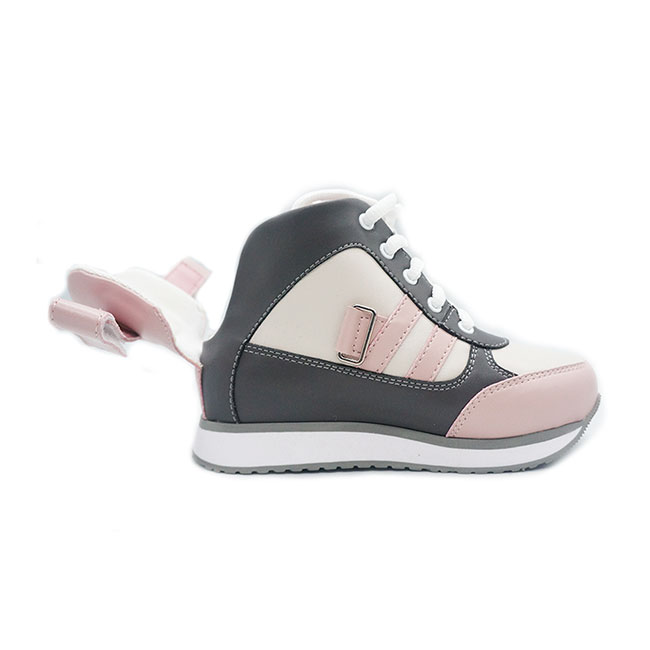
Foot pain can severely impact daily life, but orthopedic shoes are designed to provide significant relief. Their advanced structure helps alleviate common pain sources like heel discomfort, joint stiffness, and other issues caused by poor footwear. Below is a table outlining specific conditions that orthopedic shoes can help with:
Condition | Detail | How Orthopedic Shoes Help |
Plantar Fasciitis | A painful condition caused by inflammation of the ligament on the bottom of the foot. | Orthopedic shoes offer support to the arch and cushion the heel, reducing strain and inflammation. |
Arthritis | A condition that causes swollen, stiff joints, often leading to pain in the feet. | Provides cushioning and support to reduce pressure on the affected joints, easing discomfort and improving mobility. |
Diabetic Neuropathy | Nerve damage caused by diabetes, leading to foot pain, poor circulation, and even numbness. | Orthopedic shoes help reduce pain and discomfort by providing a stable base, better circulation, and shock absorption. |
This table shows how orthopedic shoes can target the specific needs of those with chronic foot conditions, offering effective solutions for pain relief and improved comfort.
Not only do orthopedic shoes relieve existing pain, but they also prevent further foot damage. Wearing the wrong footwear can lead to complications like joint misalignment or worsening foot deformities. Orthopedic shoes help distribute pressure evenly across the foot, reducing strain on the knees, hips, and back.
Studies have shown that orthopedic shoes significantly reduce foot pain and improve mobility. Many customers report a noticeable improvement in their comfort and overall quality of life. Testimonials from people suffering from foot conditions highlight how orthopedic shoes have made a positive difference in their daily activities.
Individuals with foot issues like bunions, hammertoes, or plantar fasciitis can greatly benefit from orthopedic shoes. These shoes are designed to provide essential support and relieve pain associated with such conditions. By improving foot alignment and providing cushioning, orthopedic shoes help alleviate discomfort, making them a vital part of long-term foot health. For those with chronic conditions, investing in the right pair of orthopedic shoes can improve daily mobility and reduce the risk of further complications.
Athletes, hikers, and people with physically demanding jobs can also benefit from orthopedic shoes. These shoes are specifically designed to provide the necessary support and comfort for individuals who spend long hours on their feet. They help reduce fatigue and the risk of injury by offering proper arch support, cushioning, and shock absorption. Whether you are running, hiking, or standing for extended periods, orthopedic shoes ensure your feet remain comfortable and well-supported, allowing you to perform at your best.
As we age, our feet naturally change, and conditions like arthritis, poor circulation, and fallen arches become more common. Orthopedic shoes help address these issues by providing enhanced support, comfort, and stability. These shoes are designed to improve foot alignment and distribute pressure evenly, reducing pain and discomfort caused by these age-related conditions. For older adults, orthopedic shoes can also help prevent falls by providing better grip and balance, significantly improving overall mobility and quality of life.
Group | Benefit |
Chronic Foot Conditions | Pain relief and support |
Active Lifestyles | Comfort and injury prevention |
Aging Population | Support, stability, and fall prevention |
Let’s compare orthopedic shoes with regular footwear. While both types of shoes serve the purpose of protecting your feet, orthopedic shoes go beyond that. Here’s a quick look at the differences:
Feature | Orthopedic Shoes | Regular Shoes |
Customization | Removable insoles, custom orthotics | Fixed insoles |
Arch Support | Enhanced support | Basic arch support |
Toe Box | Wider for more comfort | Standard, may be tight |
Cushioning | Extra cushioning for shock absorption | Limited cushioning |
Material | Breathable, durable, medical-grade | Varies, often less breathable |
Orthopedic shoes provide significantly more support and comfort than regular shoes, especially for individuals dealing with foot issues. These shoes are designed to realign the foot and offer enhanced arch support, which regular shoes often lack. They also provide additional cushioning, helping to reduce pressure and minimize pain. By promoting correct foot alignment, orthopedic shoes help prevent long-term issues such as joint strain or muscle fatigue. This makes orthopedic shoes a far better choice for maintaining long-term foot health and overall comfort, particularly for those with chronic conditions or active lifestyles.
A proper fit is essential when purchasing orthopedic shoes. Look for options that come in various widths and offer customizable insoles to ensure a secure, comfortable fit. Proper sizing not only prevents discomfort but also reduces the risk of developing new foot problems. Make sure the shoe offers ample room in the toe box and supports your foot’s natural shape.
Choose shoes made with high-quality, breathable materials that offer both comfort and durability. Leather, mesh, and synthetic fabrics are common options, each with their pros and cons. Leather is durable but may lack breathability, while mesh allows better airflow but can wear out quicker. Selecting the right material based on your needs ensures long-lasting comfort.
● Adjustable Straps: Adjustable straps or Velcro closures provide a customizable fit, particularly for those whose foot size changes throughout the day due to swelling or other factors.
● Removable Insoles: Removable insoles allow for easy customization with orthotics and simple cleaning, enhancing both hygiene and comfort.
● Orthotic Compatibility: Some orthopedic shoes offer enough room for custom orthotics, ensuring added comfort and support tailored to specific foot conditions.
Gone are the days when orthopedic shoes were clunky and unattractive. Modern orthopedic shoes come in a variety of stylish designs that are both comfortable and fashionable. Brands like Jianxing Shoes have made significant strides in offering orthopedic footwear that combines comfort with stylish looks. These shoes are designed to meet the needs of those requiring foot support while also keeping up with current trends. Whether you're looking for casual wear or something more formal, there's an orthopedic shoe to match your style.
Orthopedic shoes are now available in sleek designs suitable for various occasions. From work settings to casual outings or even special events, you no longer need to choose between style and comfort. Modern orthopedic shoes feature elegant details, contemporary shapes, and high-quality materials, all while maintaining the foot health benefits. Brands like Jianxing Shoes provide options that ensure you look great and feel comfortable all day, whether you're walking, standing, or attending an event. Now, you can enjoy fashionable footwear without compromising on support or comfort.

Orthopedic shoes are not only effective in treating existing foot conditions, but they also play a significant role in preventing future problems. By supporting proper foot alignment, these shoes reduce strain and stress on the feet. They help avoid complications like bunions, arthritis, and foot fatigue by encouraging healthy walking patterns. Regular use of orthopedic shoes can be a proactive step in preserving foot health, especially for those with high risks of developing foot problems.
Wearing orthopedic shoes not only provides immediate comfort but also offers significant long-term benefits. These shoes are designed to improve foot alignment and posture, which can have a positive impact on your overall body mechanics. By addressing foot health early, orthopedic shoes help prevent the development of musculoskeletal issues in other parts of the body, such as the knees, hips, and lower back. Below is a table summarizing the long-term benefits of wearing orthopedic shoes:
Benefit | Description |
Better Foot Alignment | Helps realign the feet, reducing strain on knees, hips, and back. |
Less Strain on Joints | Reduces pressure on joints by improving posture and foot alignment. |
Prevention of Future Problems | Prevents issues in knees, hips, and spine by maintaining proper alignment. |
Avoiding Costly Treatments | Helps prevent the need for expensive treatments or surgery by addressing foot health early. |
Improved Posture and Movement | Supports better body mechanics, improving balance and overall movement. |
Increased Mobility | Enhances flexibility and reduces pain, allowing for easier movement over time. |
This table emphasizes how orthopedic shoes play a crucial role in enhancing long-term health by addressing foot alignment, posture, and overall body mechanics.
Orthopedic shoes offer significant benefits, including pain relief and long-term foot health. They are not only for those with existing foot issues but also for anyone looking to prevent future problems. Modern orthopedic shoes, such as those from Jianxing Shoes (Foshan City) Co., Ltd., combine comfort with style, making them an excellent choice for improving foot health and mobility. Investing in orthopedic shoes is a step towards better foot care and overall well-being.
A: Orthopedic shoes are specially designed footwear that provides support, comfort, and relief for foot conditions like plantar fasciitis, bunions, and arthritis. They help improve foot alignment and reduce pain.
A: Orthopedic shoes offer extra cushioning, arch support, and shock absorption, which reduce foot pain caused by conditions such as heel spurs and joint discomfort. They promote proper foot alignment, easing pressure on the feet.
A: No, orthopedic shoes are suitable for anyone who wants better comfort, support, and prevention of foot issues. They’re especially helpful for individuals with active lifestyles or those who stand for long periods.
A: Yes, orthopedic shoes provide cushioning and support for swollen, stiff joints caused by arthritis. They reduce pressure on the feet and improve overall comfort, making it easier to walk and move.
A: While orthopedic shoes are generally more expensive than regular shoes, they are an investment in long-term foot health. Their durability and specialized design make them worthwhile for people dealing with foot issues.
A: Yes, modern orthopedic shoes come in a variety of stylish designs. Brands like Jianxing Shoes (Foshan City) Co., Ltd. offer orthopedic shoes that combine comfort, support, and fashionable styles suitable for various occasions.