
 English



Views: 0 Author: Site Editor Publish Time: 2025-11-23 Origin: Site


Post op shoes are essential for protecting a broken toe and supporting safe mobility during recovery. Many patients wonder how long they should wear post op shoes to ensure proper healing while avoiding stiffness or discomfort. In this guide, we’ll explore the ideal duration for wearing post op shoes, factors that influence healing time, and tips for transitioning back to regular footwear. By understanding these steps, you can manage your recovery confidently and reduce complications effectively.
Broken toes are more common than you might think. They can happen to anyone, often during daily activities or sports. How severe they are depends on the type of fracture and how it’s treated.
There are two main types:
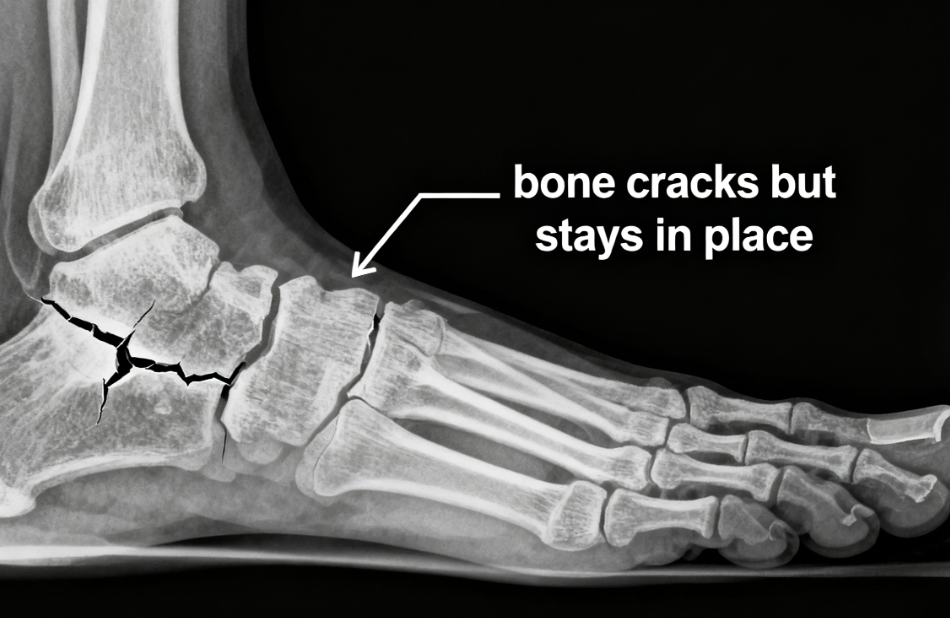
Non-displaced fractures: The bone cracks but stays in place. It usually heals faster and is easier to manage.
Displaced fractures: The bone moves out of alignment. They often require medical intervention to realign properly.
| Type | Alignment | Healing Complexity |
|---|---|---|
| Non-displaced | Proper | Low |
| Displaced | Misaligned | Moderate-High |
They happen in everyday situations. Some of the most frequent causes include:
Stubbing the toe against furniture or walls
Dropping heavy objects on the foot
Sports injuries, especially in soccer, basketball, or running
Accidental twisting or missteps
Even small impacts can be painful. They sometimes break the toe even if it seems minor at first.
Alignment is key for healthy foot function. A misaligned toe can cause:
Pain during walking or standing
Long-term deformities like hammer toe
Difficulty wearing shoes comfortably
Increased risk of arthritis in the joint
They support balance and propulsion. If the bone heals crooked, your toe might not work properly again.
Recognizing a fracture early helps treatment. Common signs include:
Sharp or persistent pain
Swelling and redness
Bruising around the toe
Visible deformity or crooked appearance
Limited movement or stiffness
We often notice that even minor fractures can swell quickly. Pain usually worsens when walking or pressing on the toe.
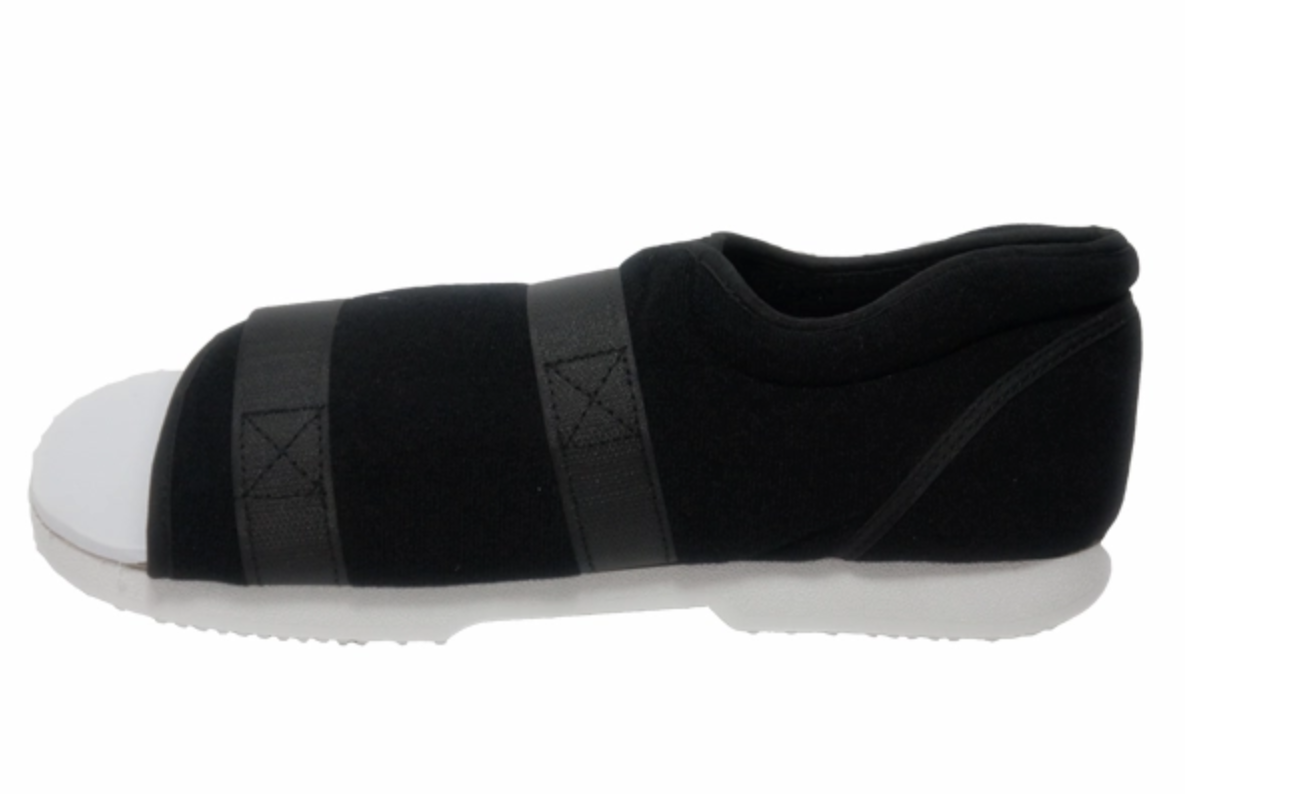
Post op shoes are special footwear designed to protect broken toes during recovery. They stabilize the foot while letting you move safely.
A post op shoe is made to reduce stress on the injured toe. It:
Keeps the toe in proper alignment
Protects bones after fractures or surgery
Allows early mobility to prevent stiffness
Reduces pain when walking
We often recommend them for anyone recovering from a toe injury or procedure. They make daily movement safer and easier.
Post op shoes come in different styles. The main difference lies in rigidity and coverage:
| Feature | Rigid-Soled Post-Op Shoe | Walking Boot |
|---|---|---|
| Weight | Lightweight | Heavier |
| Coverage | Toe and forefoot | Entire foot and ankle |
| Mobility | Easier early walking | More restricted |
| Best Use | Minor fractures | Severe or multiple fractures |
We usually use a post op shoe when patients need protection without limiting daily activities too much.
They offer several benefits for healing:
Stabilization: Keeps fractured bones in place
Shock Absorption: Reduces impact from walking
Comfortable Fit: Allows slight movement to prevent stiffness
Support for Daily Activities: Lets patients walk safely
They act like a shield while letting you maintain some mobility. This balance speeds up recovery.
Doctors suggest post op shoes in specific situations:
After toe surgery to maintain proper alignment
When the bone is manipulated to realign a fracture
Severe or unstable toe fractures that need protection
They are not always mandatory for minor toe cracks. But they significantly reduce complications when used correctly.

Knowing how long to wear post op shoes is crucial for proper healing. Wearing them too short or too long can affect recovery and comfort.
Most patients follow general timelines:
Minimum: 2 weeks
Average: 3–4 weeks
Maximum: 6 weeks
These numbers provide a framework, but every toe heals differently.
| Timeline | Description |
|---|---|
| 2 weeks | Early healing, pain may still be present |
| 3–4 weeks | Most patients can transition gradually |
| 6 weeks | Full protection for slower healing or severe fractures |
Several factors influence how long someone should wear post op shoes:
Pain Level & Walking Comfort: Stop or reduce wear only when walking feels comfortable
Clinical Healing: Decreased swelling and tenderness suggest good progress
Radiographic Healing: Minor fractures typically show X-ray healing in 6–8 weeks; severe cases may take 10–12 weeks
We often adjust timelines based on these signs to ensure the toe heals correctly.
Certain patients need extra caution:
Elderly Patients: Extended use improves stability and prevents falls
Diabetic or Peripheral Vascular Disease Patients: Healing can be slower; longer wear is recommended
Athletes or Highly Active Individuals: Gradual transition is important to avoid re-injury
By following these guidelines, post op shoes can protect the toe while supporting safe mobility.
Choosing between post op shoes and walking boots can impact recovery speed and comfort. Both protect the toe, but they differ in mobility, weight, and daily convenience.
Post op shoes offer several benefits for broken toe recovery:
Shorter Time to Pain-Free Walking: They allow gentle movement early on
Earlier Return to Regular Footwear: Most patients transition faster compared to boots
Less Restriction on Daily Activities: Lightweight and easy to wear around the house
| Feature | Post-Op Shoe | Walking Boot |
|---|---|---|
| Weight | Lightweight | Heavier |
| Mobility | Easier early walking | More restricted |
| Daily Activity Impact | Minimal | More limitation |
| Recommended Use | Most non-surgical cases | Severe or multiple fractures |
A walking boot can be necessary in certain situations:
Multiple fractures or severe displaced fractures
Surgery involving the toe or forefoot
Extra stability needed for elderly or high-risk patients
They offer more rigid support but reduce mobility and convenience. We often start most patients in post op shoes and switch to a walking boot only if the toe requires additional protection.
Knowing how to safely transition from post op shoes is crucial. It helps the toe heal properly while restoring normal movement.
We recommend a gradual approach to avoid setbacks:
Full-Time Wear: Use the post op shoe constantly for the first 2 weeks. It stabilizes the toe during initial healing.
Short Periods in Regular Footwear: At 2–3 weeks, if pain decreases, try wearing normal shoes for short walks or light activity.
Gradual Increase: Slowly extend the time in regular shoes as comfort allows. Stop if pain or swelling occurs.
Support During Long Walks or Standing: Keep the post op shoe for extended activity until fully healed.
| Week | Footwear Recommendation | Notes |
|---|---|---|
| 0–2 | Post op shoe full-time | Protects the toe, supports early mobility |
| 2–3 | Short periods in regular shoes | Monitor pain, swelling |
| 3–4+ | Increase time in normal shoes gradually | Post op shoe for longer standing/walking |
Avoid these errors to prevent delayed recovery:
Discontinuing Too Early: Can lead to misalignment, pain, or prolonged healing
Overprotection: Wearing post op shoes longer than necessary may cause stiffness
Ignoring Pain Signals: Pain or swelling during transition indicates the toe needs more support
By following this step-by-step approach, you help the toe heal safely while regaining normal function efficiently.
Proper rehabilitation ensures the toe heals fully and regains normal function. Post op shoes protect the toe during the early stages, but recovery continues after the initial healing period.
Keeping the toe stable while wearing post op shoes during early recovery is critical. It prevents misalignment or shifting of fractured bones, reduces pain and swelling, and supports proper bone union. Even slight movement too early can prolong healing or cause deformities, so post op shoes play a key role in maintaining stability.
Once initial immobilization in post op shoes is complete, gentle exercises help restore function. Slowly bending and straightening the toe (toe flexion and extension) improves range of motion. Using the toes to grip and scrunch a small towel strengthens the muscles. Picking up small objects like marbles improves fine motor control and dexterity. Performing these exercises regularly while the toe adjusts to reduced post op shoe use ensures a safe recovery.
| Exercise | Purpose | Frequency |
|---|---|---|
| Toe Flexion/Extension | Restore range of motion | 5–10 reps, 2–3 times/day |
| Towel Scrunches | Strengthen toe muscles | 5–10 reps, daily |
| Marble Pickup | Improve fine motor control | 5–10 minutes, daily |
Physical therapists guide safe progression as patients transition out of post op shoes. They monitor healing, prevent overexertion, and design tailored strengthening routines. Therapy also addresses balance, gait, and functional mobility, ensuring recovery is efficient and minimizing the risk of reinjury.
Recovery timelines vary based on fracture severity and how long post op shoes were worn. Most patients can walk comfortably with supportive footwear after 2–4 weeks. Light daily activities can resume around 4–6 weeks. By 6–8 weeks, many return to normal shoes and moderate activity. Full activity, including sports, may be possible by 8–12 weeks if cleared by a doctor. Gradual progression and careful use of post op shoes help the toe regain full function safely.
Yes, post op shoes are designed for walking. They stabilize the toe while allowing early mobility. However, avoid uneven surfaces and long distances until comfort improves.
Switching to regular shoes too early can shift the fracture or increase pain. Post op shoes provide stability and protect healing bones. Gradual transition is safer once swelling and tenderness decrease.
Signs your toe may be ready include minimal pain while walking, reduced swelling, and improved range of motion. Your doctor may also confirm healing through clinical examination or X-rays.
Some minor fractures can heal without post op shoes, especially non-displaced pinky toe fractures. Still, using the shoe reduces risk of misalignment and long-term complications.
Keep the shoe clean and dry. Loosen straps to relieve pressure periodically, and check padding for wear. Proper care prevents discomfort and ensures optimal protection during recovery.
Recovery from a broken toe takes patience, careful care, and the right support. Post op shoes play a key role in keeping your toe stable while letting you move safely, but timing and proper transition are just as important. Pay attention to your pain, swelling, and comfort as you gradually return to normal footwear.
At Jianxing Shoe Co., Ltd, we design post op shoes that combine protection, comfort, and durability. Choosing high-quality post op shoes can make your healing process smoother and faster, letting you get back on your feet confidently.