
 English



Views: 0 Author: Site Editor Publish Time: 2026-02-11 Origin: Site


What matters more—style or support? Many people buy shoes based on looks, but foot pain often follows. After hours of walking or standing, regular shoes may lack the support your body needs. That’s where orthopedic shoes come in. Designed to support foot structure and reduce stress, they’re built for real comfort—not just appearance. Today, brands like Jianxing Shoes combine medical expertise with advanced materials to make orthopedic footwear both functional and wearable.
In this article, we’ll explore the key differences between orthopedic shoes and regular shoes—so you can choose what truly fits your lifestyle and long-term foot health.
When comparing orthopedic shoes to regular footwear, the most important difference lies in intent. Regular shoes are made for fashion and general comfort, whereas orthopedic shoes are purpose-built to improve foot function, support alignment, and reduce pain. This difference in design philosophy creates noticeable differences in construction and performance.
Feature | Orthopedic Shoes | Regular Shoes |
Design goal | Foot health and alignment | Fashion and casual comfort |
Arch support | Structured and reinforced | Minimal or flat |
Fit options | Multiple widths, extra depth | Standard sizing |
Cushioning | Shock-absorbing systems | Basic foam or rubber |
Adjustability | Laces or Velcro | Often limited |
Walking stability | High | Moderate |
Orthopedic shoes are crafted to address real foot issues—like plantar fasciitis, flat feet, arthritis, or diabetic neuropathy. Their goal is to reduce pressure, correct misalignment, and promote natural movement. On the other hand, regular shoes are designed with aesthetics in mind. Style, color, and seasonal trends often lead the design process. While some may offer cushioning, they lack the therapeutic focus necessary for long-term foot health.
The interior structure of orthopedic shoes often includes reinforced heel counters that prevent excessive foot motion, rigid shanks to control torsion, and rockered soles to assist with forward motion during walking. These elements improve stability and reduce strain on joints. Regular shoes typically favor flexibility and lighter construction, which may feel comfortable initially but can result in poor gait and fatigue over time.
One of the hallmarks of orthopedic footwear is its generous fit. Wider toe boxes and deeper interiors allow for natural toe spread, swelling, and accommodation of custom orthotics. Most regular shoes offer limited sizing options and a narrow interior, which can aggravate foot problems or restrict movement.
Orthopedic shoes use multi-layer cushioning and shock-absorbing materials to protect feet from ground impact. This is especially important for users with heel pain or joint conditions. Regular shoes often have standard foam padding that breaks down quickly and does little to protect sensitive areas.
The adjustability of orthopedic shoes allows for day-to-day changes in foot volume and personal comfort preferences. Hook-and-loop fasteners, removable insoles, and extra eyelets provide a tailored experience. In contrast, regular shoes usually come in fixed sizes and rely on a standard lace or slip-on design with little room for adjustment.
Walking in orthopedic shoes typically feels more stable and balanced. Weight is distributed evenly across the sole, reducing pressure on the heel and forefoot. This leads to less fatigue and better mobility. Regular shoes may create uneven pressure points, leading to discomfort, joint strain, or poor posture over time.
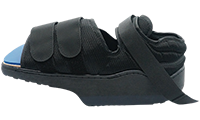
Orthopedic shoes can be classified as therapeutic medical devices, particularly when prescribed by a podiatrist. They are commonly used to manage chronic foot pain, structural abnormalities, nerve damage, and pressure-sensitive conditions. Some models are prefabricated, while others are custom-made based on 3D scans or foot impressions.
A well-designed orthopedic shoe addresses not only the foot but the entire musculoskeletal system. When feet are properly aligned, the knees, hips, and spine also fall into more natural positions. This chain reaction reduces stress on the joints and helps correct posture. Over time, this can ease lower back pain, reduce fatigue, and improve gait.
Orthopedic shoes aren’t just about comfort—they’re made to actively support movement and reduce discomfort over time. By addressing key pressure zones and improving foot mechanics, they provide targeted benefits for everyday mobility:
● Pain relief through even pressure distribution across the foot
● Improved balance with wider bases and deeper heel support
● Enhanced mobility by reducing strain on muscles and joints
Several construction details distinguish orthopedic shoes from their regular counterparts.
Feature | Purpose |
Deep heel cup | Rearfoot stabilization |
Reinforced arch support | Balance and alignment |
Wide toe box | Toe freedom and circulation |
Removable insoles | Custom orthotic support |
Seamless, breathable lining | All-day comfort |
The heel cup is often firm and contoured to stabilize the rearfoot, keeping it in line with the leg. This support minimizes overpronation or supination. Orthopedic shoes also feature molded arch supports that follow the natural curves of the foot, helping to maintain balance and reduce strain.
Crowded toes are a leading cause of blisters, corns, and bunions. Orthopedic shoes solve this problem with wide, rounded toe boxes that allow for proper toe splay and circulation. This is especially important for diabetics or people with foot deformities.
Orthopedic shoes often include removable, multi-density insoles. This allows wearers to insert their own custom orthotics or change insoles based on activity level or medical need.
Soft, moisture-wicking materials, seamless linings, and padded collars reduce irritation. These elements work together to ensure that orthopedic shoes are not only supportive but also wearable throughout the day.
Regular shoes prioritize design, affordability, and style for mass-market appeal. Their goal is to offer short-term comfort and a modern appearance.
Regular shoes are built around fast fashion cycles. Lightweight materials and flexible soles make them feel good at first, but they often lack structural reinforcement. They work fine for short walks or occasional wear but don’t provide enough support for prolonged use.
Flat insoles, minimal arch support, and shallow heel cups are common features. While these elements keep production costs low, they can lead to problems if worn extensively—especially for people with existing foot issues.
By using carefully designed midsoles and contoured footbeds, orthopedic shoes reduce stress on the heel and forefoot during daily movement. Pressure is spread evenly across the sole, helping prevent hot spots, ulcers, or corns while improving overall walking comfort.
Arch support helps maintain healthy foot posture, which in turn reduces tension on ligaments and tendons during standing or walking. This added stability helps protect against common conditions like plantar fasciitis and Achilles tendonitis over time.
Layered EVA, PU foams, and gel inserts absorb shock at impact, protecting not just the foot but the entire lower limb. This cushioning system can lower the risk of arthritis or joint damage caused by repetitive force and long work hours.
Function | Benefit Area |
Even pressure support | Heel and forefoot |
Arch reinforcement | Heel and ankle |
Shock absorption | Joints and limbs |
Medical-grade orthopedic shoes help relieve pain and prevent complications by providing structured support, pressure relief, and a protective fit. For individuals with sensitive feet or chronic conditions, they are often essential to maintaining mobility and avoiding further issues.
Healthcare workers, retail staff, delivery drivers, and warehouse employees spend much of their day on their feet. Orthopedic shoes reduce fatigue, support circulation, and minimize joint strain—making them a practical tool for daily endurance and long-term joint health.
Even if you don’t have a diagnosis, orthopedic shoes offer preventive benefits. By improving alignment and reducing pressure in key areas, they help you walk more comfortably now—and avoid pain and posture issues as you age.
User Group | Key Benefit |
People with foot conditions | Targeted relief and complication prevention |
Workers on their feet all day | Reduced fatigue, better circulation |
Proactive users (no diagnosis) | Posture protection and pain prevention |
Customization plays a critical role in making orthopedic shoes work for everyone.
To accommodate different foot types and conditions, orthopedic shoes often come in a wide range of width options and depth configurations. This added flexibility helps address common issues such as swelling, hammertoes, foot deformities, or the need for custom orthotics, ensuring a better fit and improved daily comfort.
Lace-up, Velcro, and hybrid systems offer day-to-day fit flexibility. As the foot changes shape during the day, the shoe adapts without compromising support.
Manufacturers like Jianxing Shoes focus on providing customizable features tailored to specific medical conditions. Their R&D teams work closely with doctors and material scientists to develop options that are functional and user-friendly.
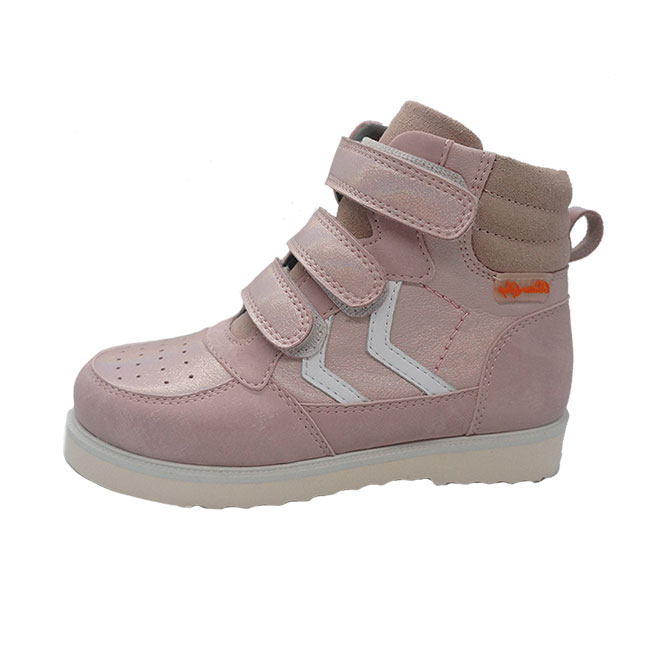
The right shoe depends on your body and your lifestyle.
If you're walking occasionally or sitting for most of the day, regular shoes might be enough. But for high-mobility jobs or long hours on your feet, orthopedic footwear offers better long-term value.
Regular shoes are suitable for casual wear, short errands, or social events. Choose them when aesthetics are a priority and there are no underlying foot issues.
If you feel heel pain, fatigue, or poor balance, it may be time to switch. Orthopedic shoes offer long-term foot health benefits that regular shoes simply can’t match.
Scenario | Recommended Shoe Type | Reason |
Light walking or mostly seated work | Regular shoes | Adequate for short wear and casual appearance |
Long hours standing or walking | Orthopedic shoes | Provides better support and reduces fatigue |
Social events or aesthetic focus | Regular shoes | Style-first situations with no foot issues |
Heel pain, fatigue, poor balance | Orthopedic shoes | Improves alignment and long-term foot health |
Orthopedic shoes differ from regular shoes in structure, support, and purpose. Regular shoes focus on style, while orthopedic shoes improve alignment, reduce pain, and support long-term foot health. They offer better stability, cushioning, and fit for daily movement.
Today, companies like Jianxing Shoes (Foshan City) Co., Ltd. bring medical design into everyday footwear. Their products combine biomechanics, comfort materials, and practical styling to serve wider user needs. If you want shoes that protect posture and enhance walking comfort, orthopedic shoes deliver lasting value.
A: Orthopedic shoes are specially designed to support foot alignment and reduce strain, while regular shoes mainly focus on appearance and general comfort.
A: People with foot conditions like plantar fasciitis, bunions, or diabetes, and anyone who spends long hours on their feet, can benefit from orthopedic shoes.
A: No, orthopedic shoes are suitable for all ages, especially those needing better support, posture correction, or long-term foot protection.
A: They stabilize the heel, support the arch, and distribute pressure evenly, helping improve overall balance and reduce fatigue.
A: Orthopedic shoes may cost more upfront due to their structure and materials, but they offer long-term value by preventing discomfort and reducing injury risk.
A: Yes, orthopedic shoes are also used as a proactive choice to maintain healthy posture and prevent future foot issues.