
 English



Views: 0 Author: Site Editor Publish Time: 2025-11-16 Origin: Site


Orthopedic shoes are more than just footwear—they’re designed to support your feet, improve posture, and relieve pain. Whether you’re searching for orthopedic shoes for women or orthopedic shoes for men, the right pair can help prevent foot problems, reduce strain on knees and back, and make daily walking or standing much more comfortable. In this guide, we’ll explore what makes these shoes special, their key features, and why investing in proper orthopedic footwear can transform your overall foot health.
Shoes do more than just cover our feet. They act as a shield, protecting us from cuts, punctures, burns, and even frostbite. Imagine stepping on a sharp object barefoot—ouch! Shoes save us from countless everyday hazards.
Experts even compare shoes to orthodontia for the feet. Just like braces guide teeth into proper alignment, shoes influence our gait, posture, and the way our feet move. They subtly adjust how weight transfers from heel to toe, impacting knees, hips, and lower back too.
Take a look at pictures of people who rarely wear shoes. Their toes spread naturally, almost like fingers. Now compare that to shod feet—narrowed, compressed, often with overlapping toes. It’s a clear visual that the footwear we choose shapes the structure and function of our feet over time.
It’s not just about comfort. Shoes help prevent long-term damage and provide support where our feet need it most. And that’s where orthopedic shoes come in—they’re designed to protect, support, and correct foot alignment, helping us move better and feel more comfortable every day.
Shoes protect feet from injuries: cuts, punctures, burns, frostbite.
Act like “orthodontia for feet,” guiding alignment and gait.
Barefoot vs. shod feet show the impact of footwear on foot shape.
Orthopedic shoes build on this foundation for extra support and correction.
| Feature | Barefoot Feet | Shod Feet |
|---|---|---|
| Toe Spread | Wide, natural | Narrow, compressed |
| Arch Support | Minimal, relies on muscles | Often unsupported unless shoes designed for it |
| Foot Shape | Flexible, adaptive | Constricted, less flexible |
| Risk of Injury | Higher for sharp objects | Lower, thanks to protection |

Orthopedic shoes are specially designed footwear focused on supporting your musculoskeletal system. They help reduce foot pain, improve posture, and prevent long-term conditions like plantar fasciitis, bunions, or flat feet.
Unlike regular shoes, orthopedic shoes aren’t just for walking—they provide stability, cushioning, and proper alignment for your feet, ankles, and lower body. Many designs include orthotic insoles, adjustable widths, and extra support features to ensure comfort over long periods.
Whether you’re looking for orthopedic shoes for women or orthopedic shoes for men, these shoes are crafted to promote healthy movement and reduce strain on your joints.
Simply put, orthopedic shoes are footwear that acts as a foundation for pain-free and balanced walking.
Orthopedic shoes can be tailored to your specific needs.
Orthotic insoles correct alignment and relieve pressure points.
Available in multiple widths and sizes, unlike standard shoes.
Built-in arch support distributes weight evenly across your foot.
Shock-absorbing soles reduce stress on knees, hips, and lower back.
They make long walking or standing more comfortable, unlike ordinary shoes.
Perfect for everyday use or active lifestyles.
Some designs may lack waterproofing or trail-specific treads.
The focus is on comfort and musculoskeletal support, not just style.
Orthopedic shoes often cost more due to advanced materials and design.
Standard shoes are cheaper and more widely available.
Higher investment brings health benefits, tailored fit, and long-term comfort.
| Feature | Orthopedic Shoes | Regular Shoes |
|---|---|---|
| Customization | Orthotics, multiple widths, tailored fit | Standard sizes, limited widths |
| Arch Support | Built-in, strong support | Minimal or none |
| Cushioning | Shock-absorbing soles | Basic padding |
| Fit for Long Use | Ideal for long walking or standing | May cause discomfort over time |
| Special Environments | Focus on foot health, stability | Style or casual activities |
| Price | Higher due to materials & design | Generally lower |
Many people suffer from foot pain caused by overpronation, heel pain, or plantar fasciitis. Everyday activities, like walking around the office or running errands, can worsen discomfort.
Consider this: the CDC recommends 10,000 steps a day. Without proper support, that’s 70,000 steps a week, or roughly 300,000 steps a month, all adding stress on feet, knees, and lower back. Orthopedic shoes help reduce strain and keep your feet aligned, making daily movement more comfortable.
Orthopedic shoes for men and women are ideal for people with chronic foot conditions, including:
Flat feet – low arches causing imbalance.
High arches – excessive pressure on heels and balls of feet.
Bunions & hammertoes – deformities that require extra space and cushioning.
Plantar fasciitis & heel spurs – inflammation and painful bone growth.
Arthritis – joint stiffness and swelling in feet.
Diabetic neuropathy – nerve damage reducing sensation or causing pain.
Lower back pain – misaligned feet can ripple upward, affecting posture.
Orthopedic shoes can be preventive or corrective. Even if you aren’t experiencing pain yet, wearing them supports healthy foot motion and prevents future issues.
People who spend long hours on their feet or pursue active hobbies can greatly benefit from orthopedic shoes:
Professionals – nurses, teachers, retail workers, anyone standing or walking all day.
Athletes – runners, hikers, dancers, or anyone training on hard surfaces.
Everyday movers – people walking dogs, commuting, or exercising frequently.
These shoes promote posture, stability, and joint protection, reducing fatigue and minimizing long-term wear on your feet, knees, and back.
| Group | Why Orthopedic Shoes Help | Example Activities |
|---|---|---|
| Foot pain sufferers | Reduce overpronation, heel pressure, plantar fasciitis | Daily walking, errands |
| Chronic conditions | Support arches, relieve deformities, improve circulation | Flat feet, bunions, arthritis |
| Active lifestyle | Cushioning, shock absorption, stability | Running, hiking, long standing |
| Preventive wearers | Maintain healthy alignment, prevent injuries | Office workers, casual walkers |
One of the most important aspects of orthopedic shoes is arch support. It helps distribute body weight evenly, reducing stress on knees, hips, and lower back. Good arch support also prevents excessive pronation, which can lead to foot and leg misalignment over time. For anyone walking long distances, it makes daily movement more comfortable and stable.
Not all feet are the same. Orthopedic shoes for women and men come in medium, wide, extra wide, and narrow widths. This variety ensures a proper fit, especially for people dealing with bunions, hammertoes, or swelling. Wearing shoes too tight can worsen these conditions, while a correct width promotes comfort and healthy foot alignment.
These shoes are built on a special last offering extra depth. This allows orthotics or thick socks to fit comfortably. A wide toe box gives toes room to move freely, reducing pressure points and preventing toe deformation over time. It’s a simple way to protect sensitive feet without sacrificing comfort.
The interior of orthopedic shoes is usually soft, smooth, and seam-free, minimizing irritation for sensitive feet. Stretchable uppers let the shoe shape to the foot, accommodating swelling, bunions, or other deformities. They feel almost like a custom fit every time you wear them.
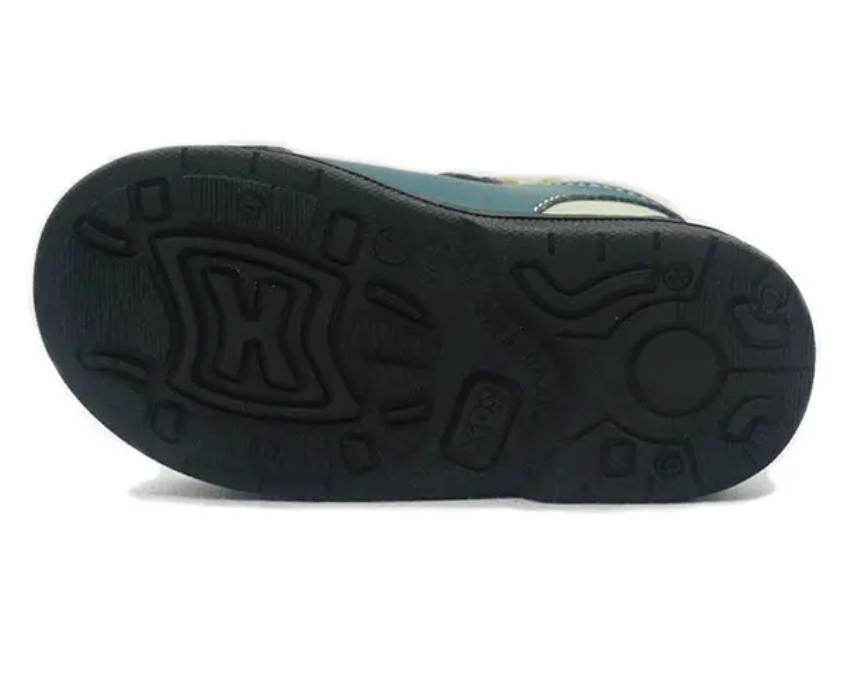
Orthopedic shoes often feature lightweight soles with a mild rocker bottom design. This combination enhances stability, absorbs shock, and helps feet move naturally. Whether walking, standing, or exercising, these soles reduce impact on joints and improve overall mobility.
| Feature | Purpose and Benefit |
|---|---|
| Arch Support | Distribute weight, reduce stress, prevent pronation |
| Variety of Widths | Fit all foot shapes, relieve bunions and swelling |
| Extra Depth & Wide Toe Box | Accommodate orthotics, reduce pressure points |
| Protective Interior & Stretchable Uppers | Comfort, minimize irritation, adapt to swelling |
| Special Soles | Shock absorption, stability, facilitate natural motion |
Wearing orthopedic shoes goes far beyond comfort. They support your entire musculoskeletal system, helping your feet, knees, hips, and lower back feel better every day.
Orthopedic shoes can alleviate pain in multiple areas:
Feet and heels – reduce strain from flat feet, plantar fasciitis, or heel spurs.
Knees and hips – correct misalignment caused by poor footwear.
Lower back – promote natural posture and reduce stress on the spine.
Even daily walking or standing feels easier when your shoes support natural movement.
Proper support encourages better posture. Over time, it can improve walking gait, balance, and stability. People who wear orthopedic shoes for men or women notice less fatigue, especially during long days on their feet.
Orthopedic shoes aren’t just for pain relief—they also help prevent future issues:
Reduce risk of bunions, hammertoes, and arch problems.
Maintain healthy foot alignment as you age.
Provide long-term protection against foot deformities caused by improper footwear.
For people living with diabetes, neuropathy, or chronic foot conditions, orthopedic shoes provide essential protection:
Cushion feet and absorb impact to avoid injuries.
Reduce pressure points and improve circulation.
Offer customizable fit for swelling or deformities.
Orthopedic footwear combines immediate comfort and long-term benefits:
| Benefit Type | What It Does |
|---|---|
| Short-Term Relief | Reduces pain and pressure during daily activities |
| Long-Term Health | Prevents foot conditions, improves posture and balance |
| Support for Conditions | Protects sensitive feet from diabetes, neuropathy, arthritis |
With orthopedic shoes, you get more than a pair of shoes—they’re an investment in foot and body health.
The word “orthopedic” comes from two Greek roots: ortho meaning correct and pedic meaning foot. In essence, orthopedic shoes are designed to support proper foot alignment and promote overall musculoskeletal health.
You might need orthopedic shoes in many situations, such as:
Foot deformities – bunions, hammertoes, high arches, or flat feet.
Chronic foot pain – plantar fasciitis, heel spurs, or arthritis.
Post-injury recovery – after surgery or sprains, to protect and stabilize.
Even if your feet feel healthy, preventative use can help avoid future problems, especially for people on their feet daily or with active lifestyles.
Different shoes target specific conditions. Some examples include:
| Foot Condition | Recommended Orthopedic Shoe Type | Benefits |
|---|---|---|
| Flat Feet | Flat foot shoes | Arch support, even weight distribution |
| Bunions | Bunion shoes | Wide toe box, pressure relief |
| Diabetes / Neuropathy | Diabetic footwear | Extra cushioning, protective interior |
| Heel Pain / Spurs | Recovery shoes | Shock absorption, soft heel cups |
Wearing the right type helps alleviate discomfort, prevent further deformities, and support natural walking patterns.
Orthopedic shoes aren’t one-size-fits-all. Men and women often have different foot shapes, arches, and pressure points. That’s why gender-specific designs exist to ensure both comfort and proper support.
Wider toe boxes for broader feet.
Stronger arch support for higher weight distribution.
Stable soles for walking, work, and athletic activities.
Styles include casual sneakers, dress shoes, and work boots.
Narrower heel cups and slightly slimmer midsoles.
Extra cushioning for high arches or plantar fasciitis.
Fashionable designs: flats, sandals, sneakers, heels adapted for comfort.
Flexibility for swelling during long days or pregnancy.
Whether you’re looking for orthopedic shoes for men or women’s orthopedic shoes, the goal is the same: enhanced comfort, support, and everyday style.
A: No, orthopedic shoes are for anyone, young or old, who wants foot support, pain relief, or to prevent injuries.
A: Yes, they help maintain proper alignment, reduce stress on joints, and can prevent conditions like bunions, plantar fasciitis, and overpronation.
A: Not always. Many orthopedic shoes have built-in support, but custom orthotics can provide extra comfort or correct specific foot issues.
A: Measure your foot length and width, consider swelling, and choose shoes that offer medium, wide, or extra-wide options for a proper fit.
Choosing the right footwear can completely change how your feet, knees, and back feel every day. Orthopedic shoes provide more than comfort—they guide natural movement, reduce pain, and support long-term foot health. From casual walks to active lifestyles, the right pair helps you stay balanced, stable, and energized.
At Jianxing Shoe Co., Ltd, we craft high-quality orthopedic shoes for men and women, blending support, style, and durability. Explore our collection today and give your feet the care they truly deserve.